


What Is a Betting Market?
Definition of a Betting Market
A betting market refers to a platform or an environment where individuals can place wagers on various outcomes of specific events. These events can range from sports competitions to political elections, entertainment shows, financial markets, and many other various scenarios. At its core, a betting market operates under the principle of predicting outcomes. Each outcome has odds assigned by bookmakers, which reflect the perceived likelihood of each event occurring. The intriguing aspect of betting markets is that they are dynamic; odds fluctuate based on how much money is wagered and any new information that becomes available affecting the likelihood of each outcome.
Components of a Betting Market
Bookmakers and Odds Makers
At the heart of any betting market are the bookmakers or sportsbooks that facilitate the bets. Bookmakers are usually companies qualified and licensed to accept bets on various events. They employ odds makers, who are critical in setting the initial odds based on a complex mix of statistical analysis, expert knowledge, and current betting trends. Odds are essentially the prices that bookmakers offer, and they determine the potential return on a bet if it turns out to be successful.
Bettors
The second essential component of a betting market is the bettors. These are individuals placing the bets, predicting various outcomes depending on their insights, belief, or information. Bettors might be casual participants who bet infrequently and mostly for entertainment or seasoned gamblers who approach betting with strategies and significant analysis. The motives and approaches can drastically vary, adding to the fluidity and complexity of the betting market.
Types of Bets
Understanding the types of bets is crucial for anyone participating in a betting market. Common types include:
– Outright bets: These are bets placed on the overall outcome of an event, for example, which https://gg-bet-ar.com/en/ team will win a tournament or league.
– Match bets: These are bets placed on the outcome of a single match or event.
– Over/under bets: In these bets, bookmakers set a statistic for a particular event (such as total goals in a football match), and bettors wager whether the actual number will be higher or lower than the bookmaker’s statistic.
– Proposition bets: These are bets made on the occurrence or non-occurrence during an event of a particular sub-event not directly affecting the event’s final result (e.g., a player scoring a hat-trick in football).
– Exchange betting: This differs from traditional betting, as bettors bet against each other by either backing or laying bets at odds of their choice, with the exchange taking a commission.
How Odds Work in Betting Markets
Odds in betting markets serve two main purposes: they act as a reflection of the probability of various outcomes and determine the payout ratio. For example, if a bookmaker offers odds of 4.0 on a certain event, it implies a 25% chance of that outcome occurring (1 divided by 4). This also means that for every dollar wagered, a successful bet will return four dollars (including the original stake).
Odds presented in various formats include decimal (e.g., 1.5), fractional (e.g., 1/2), and American (e.g., -200 or +150). Each format represents the same underlying probability but is expressed differently, catering to different betting markets’ practices.
Economic Impact of Betting Markets
The economic implications of betting markets are vast and multifaceted. Firstly, they generate significant revenue through various forms of gambling taxation and operating profits for bookmakers. This financial injection stimulates the economy by supporting jobs in sectors directly and indirectly associated with gambling, such as hospitality, digital technology, and broadcasting.
Moreover, betting markets influence the financial markets intimately, as seen in cases where bets are placed on the outcomes of stock performances, mergers, or economic indicators. The data gathered from betting odds can sometimes be so accurate in predicting outcomes that it is used by economists and financial analysts.
Impact on Sporting Events and Teams
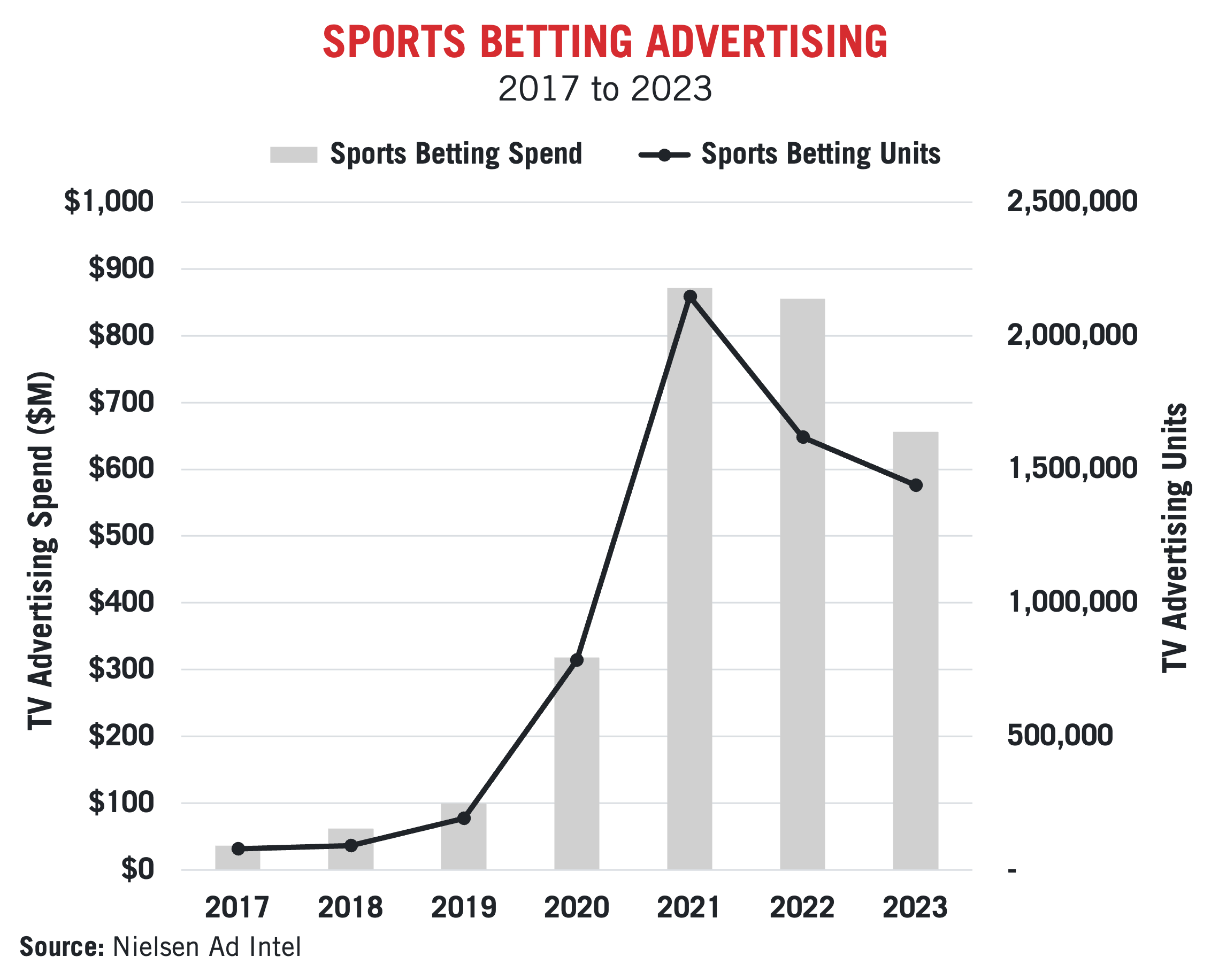
Betting markets have a profound influence on sports by increasing viewership and engage audience participation. The heightened interest can lead to increased ticket sales, merchandise sales, and viewership ratings, which inflate broadcasting rights and advertising revenues. However, this interaction needs careful regulation to prevent issues such as match-fixing and unethical behavior, which can undermine the integrity of sports.
Challenges and Ethical Considerations
Despite their economic and entertainment value, betting markets are not without their challenges and ethical concerns. Key issues include gambling addiction, potential for financial ruin, impact on families, and legal implications of operating in jurisdictions where gambling may be restricted. Ethics come into play particularly in ensuring fairness, preventing underage betting, and keeping the sporting events’ integrity intact.
To mitigate these issues, rigorous regulations and support systems for those affected by gambling problems are crucial. Transparency from bookmakers about odds and operations, as well as responsible gambling campaigns, are essential measures.
In summary, betting markets are complex systems influenced by economic, social, and ethical factors. They embody a fascinating intersection of probability, sport, finance, and ethics, with significant impacts on various aspects of society and commerce.

0 thoughts on “What Is a Betting Market?”